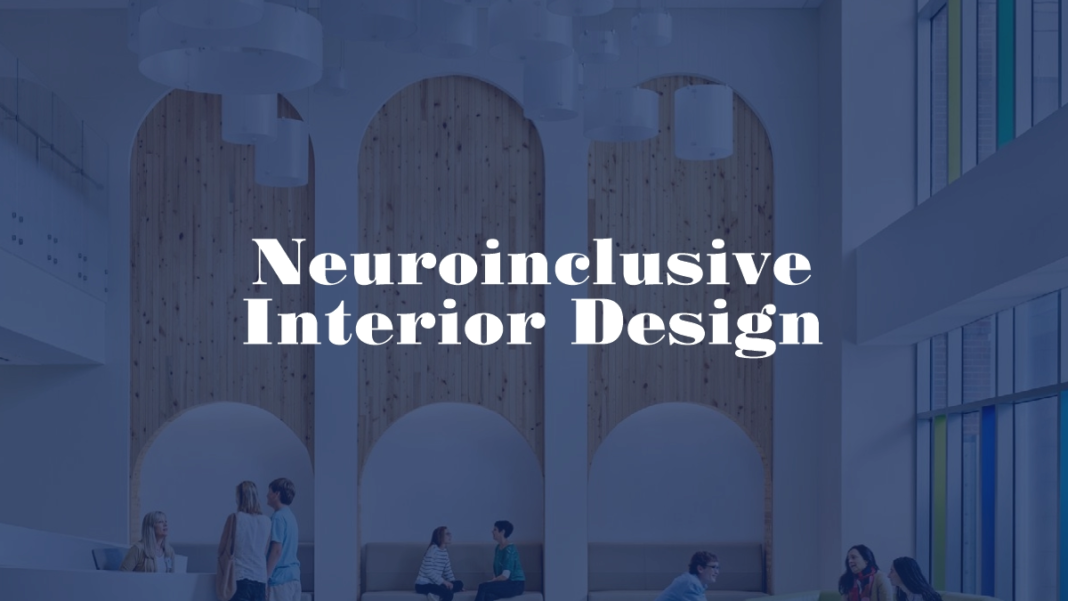

Neuroinclusive Interior Design: Crafting Salutogenic Workspaces for All
The modern workplace is evolving. It must now support a diverse range of needs. Neuroinclusive interior design is at the forefront of this shift. It creates environments where everyone can thrive. This approach recognizes neurological diversity. It designs spaces that are universally accessible and comfortable.
This guide explores how to build salutogenic workspaces. These spaces actively promote health and well-being. They reduce stress and boost productivity. We will delve into key principles. We will also provide practical applications. These ideas will help create truly supportive work environments. Understanding these concepts is vital for future-forward design.
Understanding Neurodiversity in Design
Neurodiversity describes variations in the human brain. These variations affect sociability, learning, attention, and mood. Conditions like autism, ADHD, dyslexia, and Tourette’s are part of this spectrum. A neurotypical person experiences the world differently. This impacts how they interact with their environment.
Traditional office designs often overlook these differences. They can create sensory overload or underload. This leads to discomfort and reduced performance. A neuroinclusive approach considers these sensory sensitivities. It fosters an environment of acceptance and equity. It aims for universal design principles. These principles benefit everyone, not just neurodivergent individuals.
The Pillars of Salutogenic Design
Salutogenic design focuses on factors that support human health. It asks: “What creates health?” This differs from pathogenesis, which asks: “What causes disease?” Dr. Aaron Antonovsky coined the term. He emphasized a “sense of coherence.” This concept involves comprehensibility, manageability, and meaningfulness. Applied to interior design, it means creating spaces that are easy to understand. They should feel controllable and purposeful. This holistic view enhances overall well-being. It promotes resilience and reduces stress. A salutogenic workspace design prioritizes human experience.
Key Principles of Neuroinclusive Interior Design
Creating effective neuroinclusive environments requires careful thought. It involves several interconnected design principles. These principles address various sensory and cognitive needs. They foster a sense of calm and focus. They also encourage positive social interaction. Understanding each area is crucial for holistic design.
Sensory Zoning and Spatial Organization
Workplaces need diverse spaces. Some people thrive in bustling environments. Others require quiet for concentration. Gensler’s insights emphasize choice. Creating distinct zones is key. These zones support different activities and sensory preferences. Consider quiet focus areas. Provide collaborative hubs. Include restorative break spaces.
Clear wayfinding is also essential. Logical layouts reduce cognitive load. Visual cues and consistent signage help navigate. This predictability provides comfort. It reduces anxiety for many neurodivergent individuals. Spaces should feel intuitive. This makes them easier to manage.
A good spatial organization offers control. People can choose where and how they work. This autonomy is empowering. It supports varied working styles. It also reduces feelings of overwhelm. Offering varied options is a core tenet of neuroinclusive interior design.
Optimizing Lighting for Comfort and Focus
Lighting profoundly impacts mood and concentration. Harsh, fluorescent lights can be painful. They often cause headaches or eye strain. Natural light is generally preferred. Maximize daylight where possible. Use full-spectrum, tunable LED lighting. This allows adjustment of color temperature and intensity.
Offer individual lighting controls. This empowers users to customize their space. Task lighting is also important. It reduces glare and improves visibility. Dimming capabilities are highly beneficial. They help mitigate sensory sensitivities. Thoughtful lighting design contributes significantly to a neuroinclusive environment.
Avoid flickering lights. Even imperceptible flickering can cause distress. Use diffused lighting fixtures. These minimize harsh shadows. Proper lighting creates a soothing atmosphere. It supports sustained focus. It is a critical component of salutogenic workspace design.
Acoustic Control and Soundscaping
Noise is a major sensory trigger. Open-plan offices can be overwhelming. Sound can distract and frustrate. Effective acoustic design is vital. It creates a calmer environment. Use sound-absorbing materials. These include acoustic panels, carpets, and soft furnishings. Install partitions to block noise.
White noise or sound masking systems can help. They create a consistent background hum. This makes conversations less distracting. Design quiet zones for deep work. Provide phone booths or small private rooms. Headphones can also offer personal acoustic control. These strategies manage auditory input. They allow individuals to concentrate better. This is a crucial element of neuroinclusive interior design.
Consider the type of sound. Harsh, sudden noises are particularly disruptive. Aim for a calming soundscape. This might include subtle natural sounds. It could also involve gentle ambient music. Reducing auditory stress enhances productivity. It also improves overall well-being. Careful acoustic planning is essential for a salutogenic workspace.
Ergonomics and Furniture Choices
Comfortable furniture is non-negotiable. Ergonomic chairs and desks support good posture. They prevent physical strain. Adjustable height desks are highly recommended. They allow users to sit or stand. This promotes movement and reduces fatigue.
Offer varied seating options. Include soft seating areas for relaxation. Provide stable, non-rocking chairs for those who need them. Different textures and materials can also make a difference. Some individuals prefer smooth surfaces. Others might find textured fabrics more comforting. Personalizable workstations are key. They allow individuals to adapt their space. This control is important for managing sensory input. Good ergonomic choices support physical and mental comfort. They are fundamental to neuroinclusive interior design.
Biophilic Design: Connecting with Nature
Integrating nature elements profoundly benefits well-being. This is known as biophilic design. It reduces stress and improves mood. Plants purify the air. They add visual appeal. Natural light exposure regulates circadian rhythms. It boosts energy levels.
Incorporate natural materials. Use wood, stone, and natural fibers. Provide views of nature where possible. Even images of nature can have a positive effect. Water features can create soothing sounds. They also help humidify the air. Biophilic elements contribute to a restorative environment. They enhance cognitive function. This makes them crucial for neuroinclusive interior design. They also align perfectly with salutogenic principles. Creating a connection to the outside world offers immense benefits. It helps ground individuals and promotes a sense of peace.
According to research from Terrapin Bright Green, biophilic design can improve cognitive performance. “Biophilic design can reduce stress, improve cognitive function and creativity, improve our well-being and expedite healing.” This highlights its importance. Integrating biophilia is a powerful tool. It creates truly health-promoting spaces.
Color Psychology and Visual Stimuli
Colors evoke strong emotional responses. Bright, saturated colors can be overstimulating. They might cause anxiety for some. Softer, muted tones are generally more calming. Blues, greens, and neutral colors promote tranquility. They foster focus. Use these colors as a base palette. Introduce pops of color thoughtfully. They can help define zones. They can also add visual interest without overwhelming. Avoid high-contrast patterns. These can be jarring or distracting.
Visual clutter should be minimized. Clear sightlines reduce cognitive load. Organize workspaces effectively. This helps maintain visual order. A visually harmonious environment supports well-being. It is a core aspect of neuroinclusive interior design. Thoughtful color choices contribute to a salutogenic workspace.
Integrating Technology and Smart Solutions
Technology offers powerful tools for customization. Smart building systems can adjust lighting and temperature. They respond to individual preferences. Apps can help manage noise levels. They can also provide sensory breaks. Digital signage offers clear instructions. It helps with wayfinding. These technologies enhance the user experience. They provide greater control over the environment.
Ensure technology is user-friendly. Avoid overly complex interfaces. Offer simple, intuitive controls. Voice-activated systems can be beneficial. They reduce manual interaction. Technology should empower users. It should not create new barriers. This mindful integration supports a truly neuroinclusive interior design. It makes the salutogenic workspace adaptable and responsive.
For example, smart glass technology can adjust opacity. It can provide privacy or natural light. This flexibility is highly valued. It allows for quick environmental changes. These changes can match immediate needs. Such innovations make spaces more dynamic. They support a broader range of sensory profiles.
Measuring Impact and Future Trends in Neuroinclusive Interior Design
The effectiveness of neuroinclusive designs must be measured. Feedback from users is invaluable. Surveys and observational studies can provide insights. Monitor productivity and employee satisfaction. Look for reductions in absenteeism. Track improvements in reported well-being. These metrics demonstrate the value of inclusive design. They also inform future adjustments. Continuous improvement is key.
The field is constantly evolving. Future trends include even greater personalization. AI and IoT will play larger roles. They will create responsive environments. These spaces will anticipate user needs. They will adapt in real-time. Research continues to deepen our understanding. New materials and technologies will emerge. These will further enhance neuroinclusive interior design. The goal remains the same: to create truly salutogenic workspaces for everyone.
People Also Ask
What is neuroinclusive interior design?
Neuroinclusive interior design creates spaces that accommodate neurological diversity. It considers sensory sensitivities and cognitive styles. This approach aims to reduce stress. It promotes comfort and well-being for all individuals. It applies universal design principles to workspaces.
How does neuroinclusive design benefit all employees?
Neuroinclusive interior design benefits everyone. It offers choice and control over the environment. Features like adjustable lighting and quiet zones reduce stress. They improve focus for all staff. This leads to higher productivity. It also boosts overall job satisfaction. A supportive environment benefits every brain.
What are some practical elements of a salutogenic workspace?
A salutogenic workspace incorporates several elements. These include excellent acoustic control. They also feature tunable and natural lighting. Ergonomic and varied furniture options are vital. Integration of biophilic elements is important. Clear wayfinding and distinct sensory zones are also key. These features promote health and well-being. They reduce potential stressors. They embody neuroinclusive interior design principles.
Can neuroinclusive interior design improve productivity?
Yes, neuroinclusive interior design can significantly improve productivity. By reducing sensory distractions, it helps individuals focus better. Providing comfort and control minimizes stress. This allows for sustained concentration. Employees feel more supported and engaged. This directly translates to enhanced performance. It creates a more effective working environment for all.
Sources
WorldHealth.net – “The neurodiversity movement highlights the benefits of neurodivergent employees, promoting awareness and understanding across all levels of organizations.”
Gensler – “Creating diverse work settings to support a full spectrum of needs is an ideal way to build inclusive spaces.”
Terrapin Bright Green – “Biophilic design can reduce stress, improve cognitive function and creativity, improve our well-being and expedite healing.”
Conclusion
Embracing neuroinclusive interior design is more than a trend. It is a fundamental shift. It creates workspaces that support every individual. By applying salutogenic principles, we foster environments that heal and empower. This approach benefits neurodivergent individuals directly. It also enhances the experience for neurotypical staff. Thoughtful design elements reduce stressors. They promote well-being and productivity. Investing in neuroinclusive design is investing in your people. It builds a more equitable and effective future for work.
As experts suggest, understanding diverse cognitive needs is paramount. “Different brains have different needs for processing information and sensory input.” This understanding informs a design philosophy. It creates spaces where everyone can genuinely thrive. This is the ultimate goal of a truly neuroinclusive interior design.