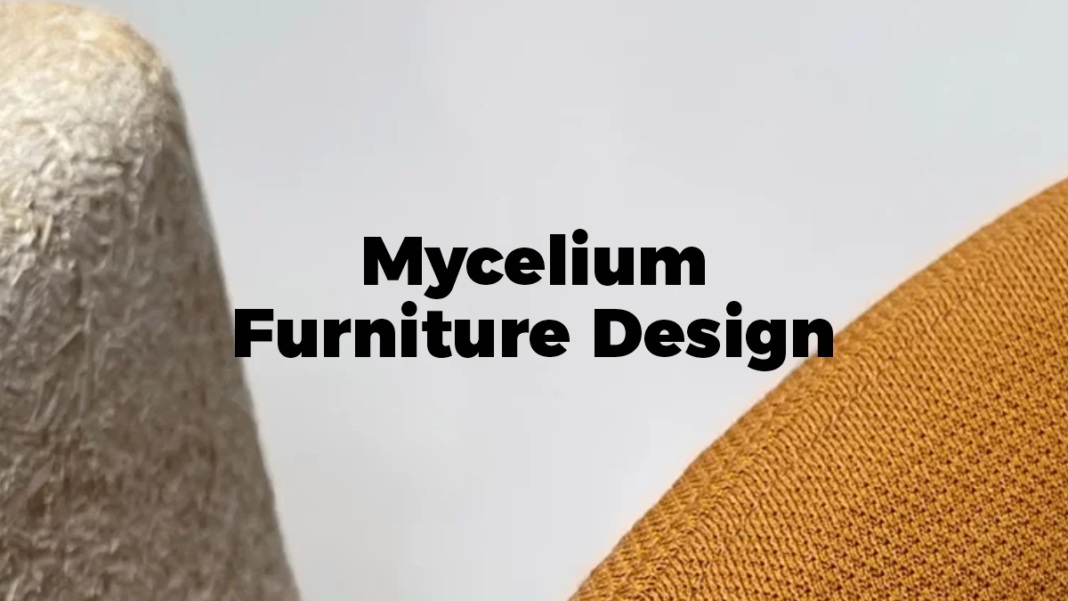

The world of design is changing. New materials offer exciting possibilities. Mycelium furniture design is leading this shift. It represents a major advancement in biofabricated products. This innovative approach uses the root network of fungi. It grows materials into desired shapes. This process creates strong and sustainable items. Mycelium offers a low-impact alternative. It moves away from traditional manufacturing. This article explores the rising trend of mycelium furniture design. We will examine its benefits, challenges, and future potential.
Mycelium is the vegetative part of a fungus. It consists of a network of fine white filaments. These filaments are called hyphae. This network grows naturally. It binds to agricultural waste. Materials like sawdust or straw work well. The mycelium acts as a natural glue. It creates a composite material. This material is strong. It is also lightweight. Designers are now using it. They create chairs, lamps, and acoustic panels. This method is truly revolutionary. It promises a greener future for furniture.
The Rise of Mycelium in Sustainable Furniture
Consumers increasingly demand sustainable products. Companies seek eco-friendly manufacturing methods. Mycelium offers a compelling solution. Its production footprint is minimal. It uses natural processes. This contrasts sharply with resource-intensive materials. Concrete and plastic are examples. Mycelium furniture design aligns with circular economy principles. Products can be composted at the end of their life. This returns nutrients to the earth. It avoids landfill waste.
Understanding Mycelium Biofabrication
Mycelium biofabrication is a fascinating process. It starts with a substrate. This substrate is usually agricultural waste. Wood chips or hemp are common. The mycelium spores are then introduced. These spores colonize the substrate. They form a dense, interwoven network. This network grows within a mold. The mold dictates the final shape. Temperature and humidity are carefully controlled. This ensures optimal growth. The process takes several days or weeks. Once the desired shape forms, it is dried. This stops further growth. It also strengthens the material. The resulting product is stiff and durable. It is ready for finishing touches.
This method offers unique advantages. It requires less energy. It also generates less waste. Traditional manufacturing involves cutting and shaping. This creates scrap material. Biofabrication grows the exact shape. There is no waste generated. This makes the process highly efficient. Researchers continue to refine this method. They aim for stronger, more versatile materials. A study from TU Delft highlights mycelium’s capacity. It can be used for various design products. The exploration of mycelium materials is extensive.
Environmental Benefits of Mycelium Furniture Design
Mycelium furniture offers many environmental benefits. It reduces reliance on virgin resources. Many furniture pieces use timber. This contributes to deforestation. Mycelium uses waste streams instead. It diverts agricultural byproducts from landfills. This lessens their environmental impact. The growth process is carbon-neutral. Fungi absorb carbon dioxide. This happens during their growth phase. They do not emit harmful pollutants. Traditional furniture manufacturing often involves toxic glues. These glues can release volatile organic compounds (VOCs). Mycelium is naturally binding. It eliminates the need for such chemicals. This improves indoor air quality.
The end-of-life cycle is also impressive. Mycelium products are biodegradable. They can be composted at home. This enriches soil. It completes a natural cycle. This contrasts with synthetic materials. Plastics persist for centuries. Mycelium offers a true circular solution. This makes mycelium furniture design very appealing. It is perfect for eco-conscious consumers. It also helps companies meet sustainability goals. The Nature Reviews Microbiology journal states that fungal biofabrication provides a compelling strategy. It addresses increasing demand for sustainable materials.
Design Innovations and Aesthetic Appeal
Mycelium material offers unique aesthetic qualities. Its natural texture is organic. It has an earthy feel. Designers can leverage this. They create furniture with a distinct look. The material is also surprisingly versatile. It can be molded into various shapes. Complex geometries are possible. This freedom inspires new design forms. Mycelium products often appear lightweight. They have a soft, tactile surface. This makes them inviting. They fit well in modern, minimalist spaces. They also complement biophilic designs.
Shaping the Future with Mycelium Furniture
Designers are exploring new applications. Mycelium offers acoustic properties. It can absorb sound effectively. This makes it ideal for wall panels. It is also being used for insulation. Companies are creating innovative lamps. They are making tables and stools. The possibilities seem endless. Designers experiment with different fungi strains. Each strain produces unique material properties. Some are stronger. Others are more flexible. This allows for specialized products. The texture can also vary greatly. It ranges from smooth to coarse. This expands design choices. Ecovative Design, a pioneer in mycelium technology, describes how their materials offer performance. They provide sustainability across diverse applications.
The natural color palette is subtle. It ranges from off-white to light brown. Designers can apply natural dyes. This adds vibrant colors. They can also combine mycelium with other materials. Wood or metal accents enhance designs. This creates unique hybrid pieces. Mycelium furniture is not just functional. It is a statement that represents a commitment to innovation and also signifies environmental responsibility.
Challenges and Opportunities in Mycelium Product Development
Despite its promise, mycelium faces challenges. Production scaling is one hurdle. Growing large quantities can be complex. Consistency is another factor. Variations in growth conditions can occur. This affects material properties. Standardization is crucial for widespread adoption. Durability is also a consideration. Mycelium is strong. But its long-term resistance to wear needs more research. Protecting it from moisture is important. Coatings can help. These must also be sustainable.
Investment in research is growing. Scientists are developing new strains. These have enhanced properties. They are exploring new manufacturing techniques. Automation can improve consistency. It can also reduce costs. Partnerships between designers and scientists are vital. They bridge the gap between innovation and practicality. Educational initiatives are also important. They inform consumers about mycelium’s benefits. This builds market demand. These opportunities pave the way. They ensure mycelium’s future success.
Market Trends and Consumer Adoption
The market for sustainable products is expanding rapidly. Consumers are increasingly aware. They seek ethical and ecological choices. Mycelium furniture fits this trend perfectly. Its appeal goes beyond aesthetics. It resonates with values. Young demographics are particularly interested. They prioritize environmental impact. This drives demand for biofabricated goods. Luxury brands are also taking notice. They incorporate mycelium into high-end collections. This signals its growing acceptance.
Key Players in Mycelium Furniture Design
Several companies are at the forefront. They are pioneering mycelium furniture design. Ecovative Design is a leader. They create mycelium composites. They also license their technology. Mogu produces acoustic panels and flooring. They use mycelium as a core component. The Living, an architecture studio, created the Hy-Fi tower. It was made entirely from mycelium bricks. This demonstrated structural potential. These innovators are pushing boundaries. They are showing what is possible. Their work inspires others. It also validates the material’s viability.
Small design studios also contribute. They often create bespoke pieces. These pieces highlight mycelium’s artistry. Collaborations with universities are common. These partnerships drive innovation. They accelerate material development. The collective effort is shaping the market. It moves mycelium from niche to mainstream. This growth is a positive sign. It indicates a strong future for biofabricated furniture. The Fast Company article explores how designers are turning to fungi. They are using it for various products, including furniture.
Scaling Up Mycelium Production for Furniture
Scaling production is critical. To meet demand, methods must evolve. Current techniques are often batch-based. This limits output. Continuous flow processes are being explored. These could increase efficiency. They would reduce costs significantly. Automation in substrate preparation is key. It also helps with inoculation. Robotic harvesting and drying could follow. These advancements would make mycelium furniture more accessible. It would move from specialty item to everyday product. Developing robust supply chains is also important. This ensures a consistent flow of raw materials. It also guarantees reliable distribution channels. Standardization of product specifications helps. It builds trust among manufacturers and consumers.
Government initiatives can support this growth. Funding for sustainable material research helps. Policies favoring biobased products also contribute. Consumer education plays a role too. Understanding the material builds confidence. As production scales, prices will likely decrease. This makes mycelium furniture competitive. It can then challenge conventional materials directly. This transformation is already underway. The future looks promising for mycelium as a primary material. MycoMaterials discusses the future of mycelium. They highlight the scaling of production and expanding applications. This is crucial for its widespread adoption.
The Future of Mycelium Furniture
Mycelium furniture design is more than a trend. It represents a paradigm shift. It offers a truly sustainable alternative. The material properties continue to improve. Manufacturing processes become more efficient. Consumer awareness grows steadily. We can expect to see more mycelium products. They will be in homes and public spaces. They will redefine how we view furniture. Its aesthetic appeal is undeniable. Its ecological footprint is minimal. This combination is powerful. It positions mycelium at the forefront. It is a leader in biofabricated innovation.
Research will unlock new possibilities. Mycelium could gain self-repairing properties. It might change color on demand. These futuristic concepts are within reach. The synergy between biology and design is deepening. This partnership creates revolutionary solutions. Mycelium furniture is a testament to this. It shows nature’s potential and also proves human ingenuity. It is a material for the 21st century which builds a healthier planet, one piece at a time.
People Also Ask About Mycelium Furniture Design
Q: Is mycelium furniture truly sustainable?
A: Yes, mycelium furniture design is highly sustainable. It uses agricultural waste as a substrate. The growth process is low-energy. It produces zero waste. Products are biodegradable. They return to the earth as compost. This makes it a circular economy material.
Q: How durable is mycelium furniture compared to traditional materials?
A: Mycelium furniture offers good durability. It is comparable to particleboard or light wood. Its strength varies by fungal strain and density. Research continues to enhance its resilience. It needs protection from prolonged moisture. Surface coatings can improve its lifespan.
Q: What kinds of products can be made with mycelium furniture design?
A: Mycelium is versatile. It can create various products. These include acoustic panels, lamps, and stools. Designers also make tables, chairs, and packaging. Its moldability allows for complex, organic shapes. The range of mycelium furniture design is expanding rapidly.
Q: Where can I buy mycelium furniture?
A: Mycelium furniture is becoming more available. Several specialized brands produce it. Companies like Mogu and Ecovative offer products. You can find them through their websites. Some sustainable design stores also carry them. Custom pieces are available from independent designers.
Sources
TU Delft – Fungi materials for design products – “This exploration has led to insights into the potential of mycelium materials for design products.”
Nature Reviews Microbiology – Fungal biofabrication for a sustainable future – “This Review provides an overview of the molecular and synthetic biology toolkits available for fungal biofabrication, and discusses the challenges and opportunities for the development of tailored fungal materials.”
Ecovative Design – Mycelium Materials & Science – “Our mycelium materials offer performance and sustainability benefits for diverse applications.”
Fast Company – Why designers are turning to fungi to make everything from meat to furniture – “A new generation of designers and scientists are tapping into the incredible potential of fungi as a material that’s renewable, strong, and highly versatile.”
MycoMaterials – The Future of Mycelium Materials: Scaling Production and Expanding Applications – “As we continue to explore the full potential of mycelium, scaling production and expanding its applications will be crucial for its widespread adoption and impact.”
Conclusion
Mycelium furniture design stands at the cutting edge. It merges biology with innovation. This creates products that are both beautiful and responsible. The journey from fungal network to functional furniture is remarkable. It offers a glimpse into a regenerative future. This future prioritizes ecological balance. It values sustainable practices. As we move forward, mycelium will play a central role. It will reshape our living spaces. It will inspire new ways of thinking. The future of furniture is growing, not manufactured. It offers an elegant solution to urgent environmental challenges. Embrace the fungi, embrace the future.