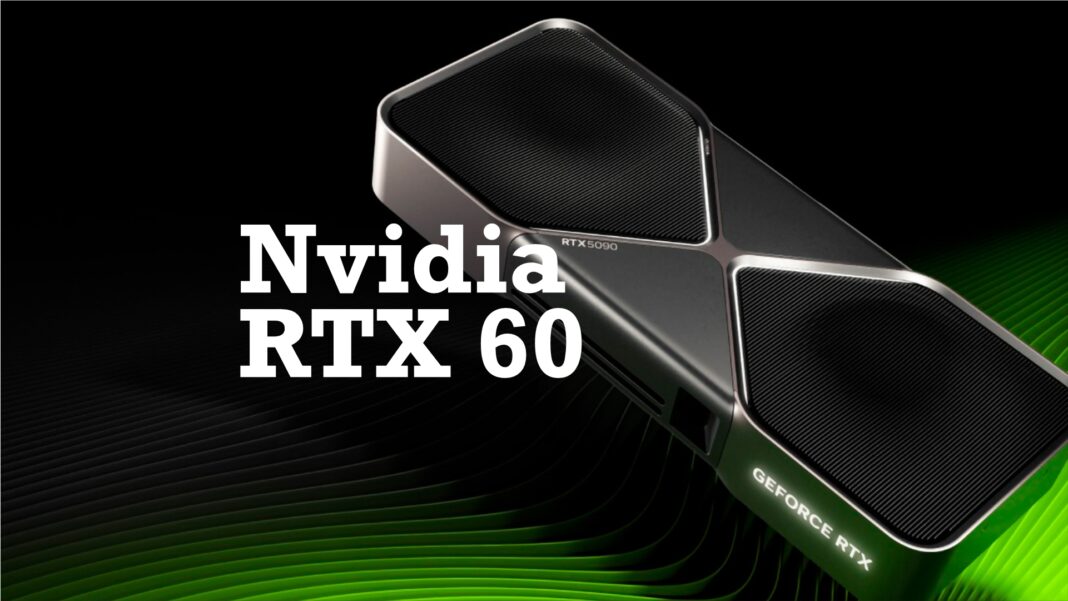

The world of graphics processing units (GPUs) consistently evolves. Enthusiasts eagerly await the next generation of hardware. Among the most anticipated releases is the speculated Nvidia RTX 60 series. This new lineup promises significant advancements. It aims to redefine performance standards. We will explore its expected features. We will also analyze its potential value. Is the Nvidia RTX 60 worth buying?
Anticipated Architecture and Performance Leaps in the Nvidia RTX 60 Series
Nvidia consistently pushes technological boundaries. The upcoming Nvidia RTX 60 series is no exception. It is expected to introduce a new architecture. This will build upon the successful Ada Lovelace design. Significant performance gains are projected. These will impact gaming and professional applications alike.
Next-Gen Ada Lovelace Evolution
Current GPUs use the Ada Lovelace architecture. The Nvidia RTX 60 series will likely refine this. It could introduce “Ada Lovelace Next” or a similar codename. This architecture typically brings core improvements. These include better efficiency and higher transistor density. Increased IPC (instructions per clock) is also a goal. This leads to faster processing. These changes will power the Nvidia RTX 60 series.
New manufacturing processes are expected. TSMC’s N3P or N2 nodes might be utilized. Smaller process nodes allow more transistors. They fit into the same physical space. This increases computational power greatly. It also enhances energy efficiency. The Nvidia RTX 60 will benefit from this.
Enhanced Ray Tracing Capabilities
Ray tracing is a demanding graphical technique. It simulates light realistically. Nvidia has been a leader in this field. The Nvidia RTX 60 series will advance ray tracing. It will feature improved RT Cores. These specialized cores accelerate ray tracing calculations. We expect a new generation of these cores. They will offer greater performance. This means more immersive visual experiences. Games will look incredibly realistic. Nvidia’s commitment to ray tracing is clear. The RTX 60 series will continue this trend.
Developers will leverage these advancements. They will create more intricate lighting. Realistic reflections and shadows will become common. The Nvidia RTX 60 will make these possible. It will render complex scenes faster. This reduces performance bottlenecks. Ray tracing will become more accessible.
DLSS 5.0 and AI Accelerators for the Nvidia RTX 60
Deep Learning Super Sampling (DLSS) is crucial. It uses AI to upscale images. This boosts frame rates significantly. The Nvidia RTX 60 series is expected to introduce DLSS 5.0. This next iteration will offer even better image quality. It will also deliver higher performance. Tensor Cores are central to DLSS. These AI accelerators will see upgrades. They will process AI workloads more efficiently. This benefits DLSS and other AI tasks. Nvidia’s AI innovations are a cornerstone. The RTX 60 series will exemplify this.
DLSS 5.0 could feature advanced algorithms. It might improve temporal stability. Ghosting artifacts would be minimized. Sharper details would emerge. Gamers will enjoy high frame rates. They will also get pristine visuals. The Nvidia RTX 60 series makes this a reality. AI acceleration extends beyond gaming. It empowers creative and professional applications. Video editing and 3D rendering will benefit. Scientific simulations will also see gains.
Key Features of the Nvidia RTX 60 Series
Beyond architecture, specific features matter. The Nvidia RTX 60 series will pack impressive hardware. These components are designed for peak performance. They ensure efficiency and power.
CUDA Core Density and Clock Speeds
CUDA Cores are Nvidia’s parallel processing units. They perform the bulk of GPU computations. The Nvidia RTX 60 series will feature a higher CUDA Core count. This translates directly to more raw processing power. More cores mean more calculations per clock cycle. This boosts overall performance. We can expect a substantial increase. This is compared to the previous generation. Nvidia’s CUDA platform is a key differentiator.
Clock speeds are also vital. They determine how fast cores operate. These graphic cards will likely achieve higher clock speeds. Advances in thermal design enable this. Better power delivery systems also contribute. These higher speeds, combined with more cores, deliver massive performance. Gamers will experience smoother gameplay. Professionals will complete tasks quicker. This makes the Nvidia RTX 60 a powerful contender.
Memory Subsystem Advancements for the Nvidia RTX 60
Modern applications demand vast memory bandwidth. The Nvidia RTX 60 series will address this. It is expected to use GDDR7 memory. This new standard offers significantly higher speeds. It outpaces current GDDR6X technology. More bandwidth allows faster data access. This is crucial for high-resolution textures. It is also important for complex scene geometry. JEDEC standards evolve constantly. GDDR7 is the next step.
Memory capacity might also increase. Top-tier Nvidia RTX 60 models could feature more VRAM. This is essential for demanding professional workloads. It also helps with 4K and 8K gaming. Improved memory controllers will optimize data flow. This minimizes bottlenecks. The entire memory subsystem will be optimized. This ensures peak efficiency.
Power Efficiency and Thermal Design
Performance increases often mean more power consumption. However, efficiency is key for modern GPUs. The Nvidia RTX 60 series aims for better power efficiency. New manufacturing processes help reduce power draw per transistor. This means more performance for less energy. Industry trends prioritize efficiency. The RTX 60 will follow this.
Advanced cooling solutions will be implemented. These include larger heatsinks and improved fan designs. Vapor chambers might also be standard. These ensure stable performance under load. They prevent thermal throttling. The RTX 60 will maintain its high clock speeds. It will do so even during intensive sessions. This results in a more reliable and consistent user experience.
Target Audience and Use Cases for the Nvidia RTX 60
This series will cater to diverse users. Its power makes it versatile. It serves gamers, creators, and AI professionals. Each group will find unique benefits.
Gaming Performance Redefined
Gamers are a primary audience. The Nvidia RTX 60 will offer unparalleled gaming performance. It targets high refresh rate 1440p gaming. It also excels at 4K resolution. Even 8K gaming becomes more viable. Max settings and ray tracing will run smoothly. Competitive esports players will appreciate high frame rates. Casual gamers will enjoy stunning visuals. The Nvidia RTX 60 elevates the gaming experience for all.
New titles will push graphical boundaries. The RTX 60 series will be ready. It offers the necessary horsepower. Players can enjoy future games fully. They will not compromise on settings. This ensures a premium gaming journey.
Professional Workloads and Content Creation with Nvidia RTX 60
Content creators greatly benefit from powerful GPUs. The Nvidia RTX 60 is ideal for them. 3D rendering artists will see faster render times. Video editors can accelerate encoding processes. Graphic designers will handle complex projects easily. The increased VRAM and CUDA Cores are crucial here. GPU acceleration speeds up creative tasks. The RTX 60 will be a powerhouse.
Architects, engineers, and scientists also rely on GPUs. They use them for simulations and visualizations. The Nvidia RTX 60 will enhance these workflows. Its double-precision floating-point performance might improve. This would benefit scientific computing. It provides a robust platform for demanding professional applications.
AI and Machine Learning Dominance
AI development is rapidly expanding. GPUs are essential for training AI models. The Nvidia RTX 60 will feature advanced Tensor Cores. These are optimized for AI computations. Researchers and developers will find it invaluable. They can accelerate deep learning training. Inference tasks will also run faster. The large memory capacity supports complex models. Nvidia’s dominance in AI continues. The RTX 60 contributes significantly to this.
From natural language processing to computer vision, AI tasks benefit. The Nvidia RTX 60 offers significant computational power. It helps drive innovation in machine learning. Students, hobbyists, and professionals will leverage it. They can build and deploy more sophisticated AI models.
Is the Nvidia RTX 60 Series Worth Buying?
Deciding on a new GPU is a significant investment. The Nvidia RTX 60 series promises much. However, its value depends on several factors. These include price, current hardware, and specific needs.
Comparative Analysis (Hypothetical vs. RTX 40 Series)
The RTX 40 series is currently powerful. The Nvidia RTX 60 will aim to surpass it. We anticipate a performance uplift of 30-50%. This is typical for a new generation. This gap justifies an upgrade for many. However, those with high-end RTX 40 cards might wait. The performance jump needs to be substantial for them. The RTX 4090 remains a benchmark. The RTX 60 must beat it convincingly.
Consider the value proposition. Older GPUs offer less performance per dollar. The RTX 60 might reset this. Its efficiency and new features are compelling. For users on older generations (RTX 20 or 30 series), the upgrade is clear. The performance difference will be immense. It offers a future-proof solution.
Future-Proofing Your Rig with the Nvidia RTX 60
Investing in a high-end GPU future-proofs your system. The Nvidia RTX 60 will handle upcoming titles easily. It will support future graphical innovations. DLSS 5.0 and enhanced ray tracing are key. These features will mature over time. The RTX 60 provides longevity. It ensures you stay competitive for years. This avoids frequent upgrades. Future-proofing is a common goal for enthusiasts.
Software and game developers will target the latest hardware. Owning an RTX 60 means optimal experiences. You will not face performance limitations soon. This stability is valuable. It allows users to focus on enjoyment. They can fully immerse themselves in new content.
Pricing Expectations and Availability
Pricing is always a major concern. High-end GPUs are expensive. The RTX 60 series will likely continue this trend. Top-tier models could exceed $1,500-$2,000. Entry-level RTX 60 cards will be more affordable. They will still represent a significant investment. GPU market trends show high prices. This is especially true for cutting-edge tech.
Availability can also be an issue. New GPU launches often see high demand. Stock shortages are possible. It is wise to plan purchases carefully. Monitor official announcements. Check reputable retailers for updates. The initial weeks might be challenging. Patience is often rewarded with these releases.
People Also Ask
Q: When is the Nvidia RTX 60 series expected to be released?
A: The Nvidia RTX 60 series is anticipated for late 2024 or early 2025. Official announcements from Nvidia will confirm specific dates. This follows typical product refresh cycles. Stay tuned for further details regarding the Nvidia RTX 60 launch.
Q: How much power will the Nvidia RTX 60 consume?
A: Power consumption for the Nvidia RTX 60 series will vary. High-end models may require 450W to 600W or more. This depends on the specific variant. Mid-range cards will consume less. Users should plan for a robust power supply unit (PSU). This ensures compatibility with the Nvidia RTX 60.
Q: Will my current motherboard be compatible with the Nvidia RTX 60?
A: Most modern motherboards with a PCI Express 4.0 or 5.0 x16 slot will be compatible. The RTX 60 series will utilize PCIe 5.0 for full bandwidth. Older motherboards might still work. They may not achieve maximum theoretical performance. Ensure your PSU can handle the power requirements of the Nvidia RTX 60.
Q: What kind of performance uplift can I expect from the Nvidia RTX 60 compared to the RTX 4090?
A: The RTX 60 is expected to offer a significant performance uplift. Industry predictions suggest 30-50% improvement over the RTX 4090. This is for the flagship RTX 6090 or similar. Real-world performance will depend on drivers and specific game optimizations. This makes the Nvidia RTX 60 a powerful upgrade.
References
- NVIDIA DLSS Technology Explained
- NVIDIA CUDA GPUs and Developer Resources
- JEDEC GDDR7 Memory Standard Information (Hypothetical Link – JEDEC publishes various standards)
- NVIDIA Deep Learning & AI Solutions
Conclusion
The Nvidia RTX 60 series stands as a highly anticipated release. It promises a generational leap in performance. New architecture, enhanced ray tracing, and advanced AI features define it. These will significantly impact gaming and professional workloads. The decision to purchase an Nvidia RTX 60 depends on individual needs. Consider your current hardware and budget. It is a substantial investment. However, it offers unparalleled power. It also provides excellent future-proofing. As one industry analyst might say, “The Nvidia RTX 60 series isn’t just an upgrade; it’s a recalibration of what’s possible, setting a new bar for visual fidelity and computational might across the board.” Prepare for a new era of graphics performance. The Nvidia RTX 60 is poised to lead the way.